What to Ask Before Hiring a Finish Carpenter
Finish carpentry is detail work in your home, often for thousands of dollars, and the quality gap between a true craftsman and a guy with a saw is enormous. Here are the questions worth asking before you hire anyone.
The short answer: ask about licensing and insurance, ask to see photos of their own completed work, ask specifically how they match new work to existing trim, and pay attention to how they communicate. Those four answers tell you almost everything. J Fox LLC is a licensed Florida general contractor, CGC1539933, based in St. Petersburg.
1. Are you licensed and insured?
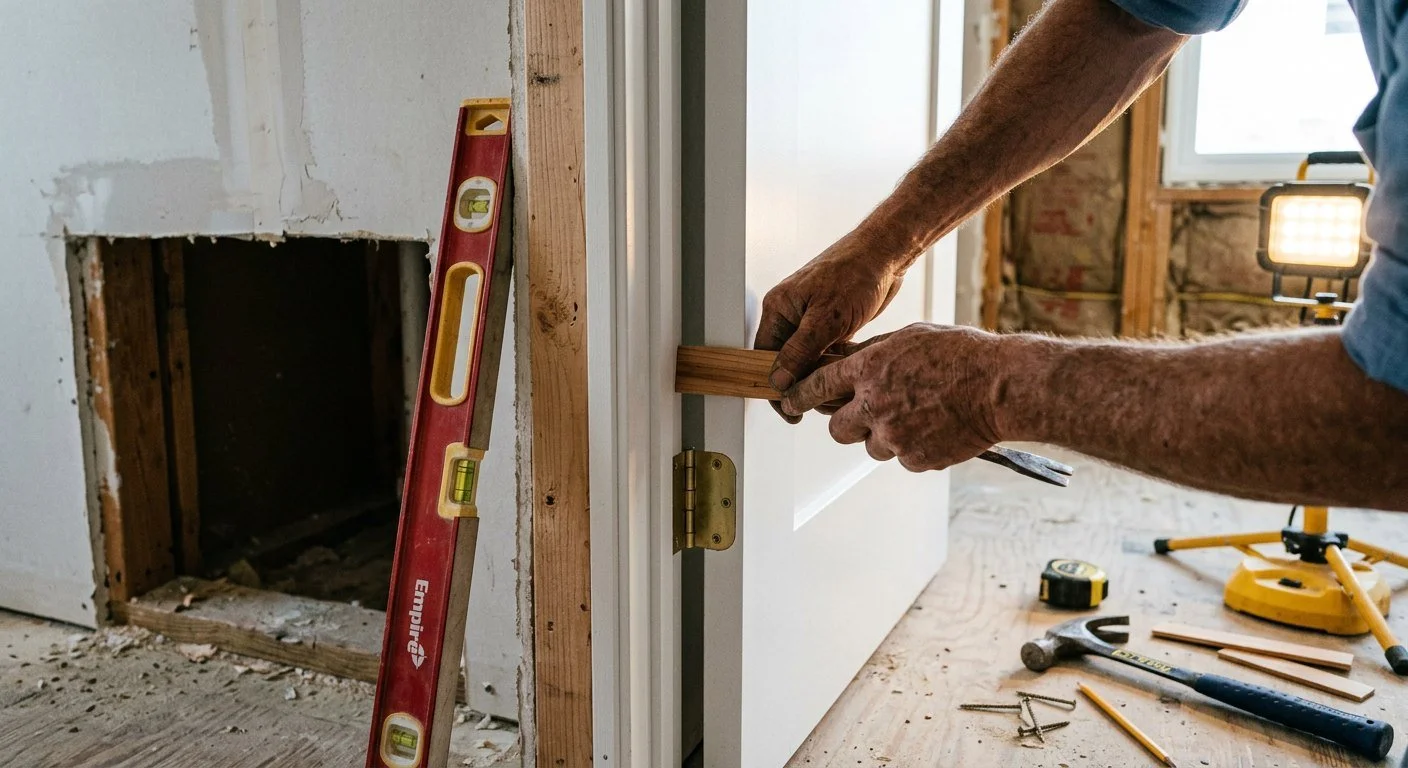
In Florida, larger projects should be handled by a licensed contractor, and anyone working inside your home should carry liability insurance.
Ask for the license number and verify it yourself. Florida's Department of Business and Professional Regulation and the Pinellas County licensing board both let you look one up in a couple of minutes. This is a basic trust filter, and a real professional will hand you the number without hesitating. For the record, J Fox LLC holds Florida certified general contractor license CGC1539933 and carries insurance.
2. Can I see photos of your actual work?
Not stock photography. Their projects, in real homes.
Look past the wide shots and study the details: tight miters, clean reveals, consistent gaps, built-ins that fit the room instead of floating in it, trim that matches what was already there. Finish carpentry is a visual trade, and a real portfolio shows you exactly what level you are hiring.
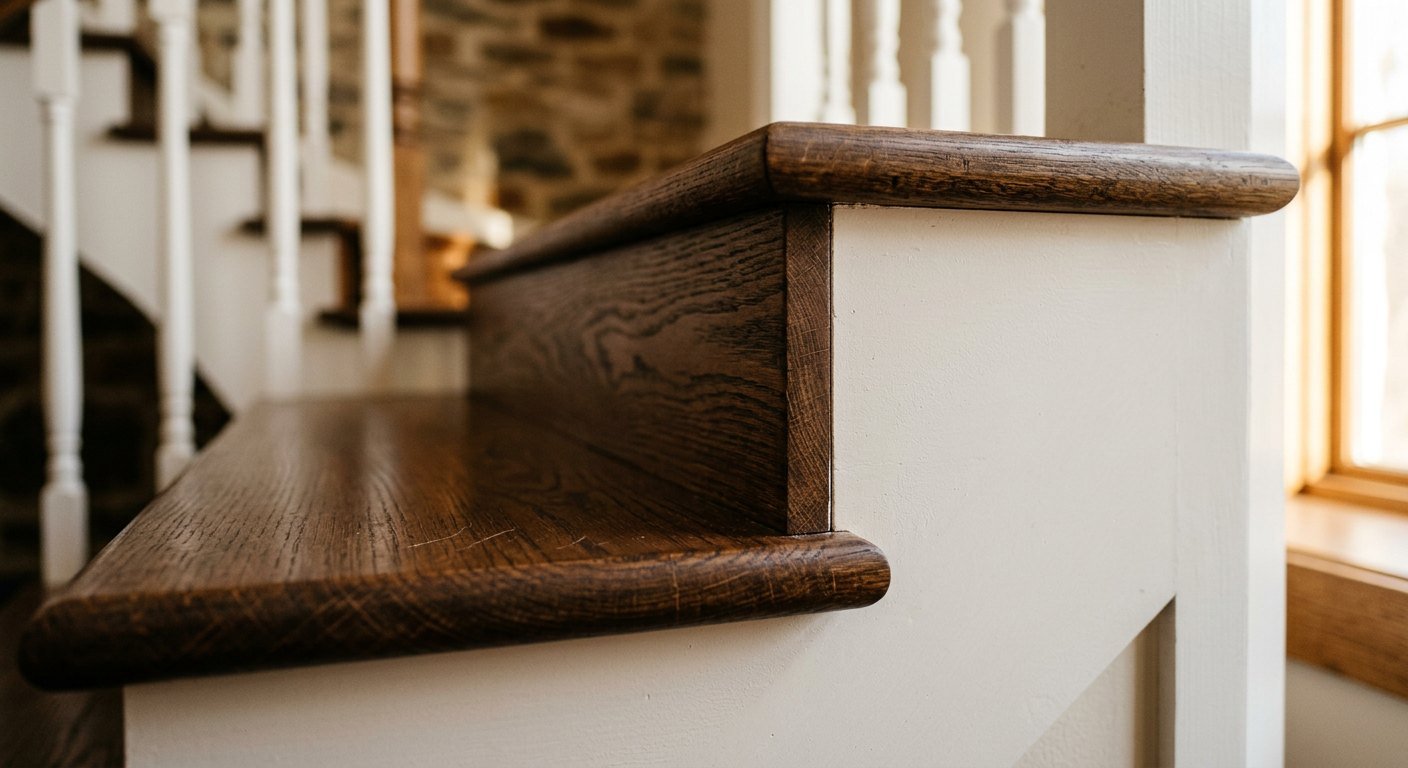
If a contractor cannot produce photos of their own finished work, that is the answer to your question.
3. How do you match new work to my existing trim?
This is the question that separates finish carpenters from installers, and it is the one most homeowners never think to ask.
In an older home especially, a good answer involves identifying the existing profile and either sourcing it or replicating it. A weak answer sounds like "we will get close with stock." How someone answers this tells you whether your new work will look original or obviously added on. We wrote up our full process in how we match new trim to a home's original molding.

4. Who is actually going to do the work?
Some companies sell the job and send whoever is free that week.
Ask who will be in your home, how long they have been doing this, and whether the person quoting the job is the person building it. Owner-operated shops tend to be more accountable for the simple reason that there is nobody to hand the blame to.
5. How do you handle the project and communication?
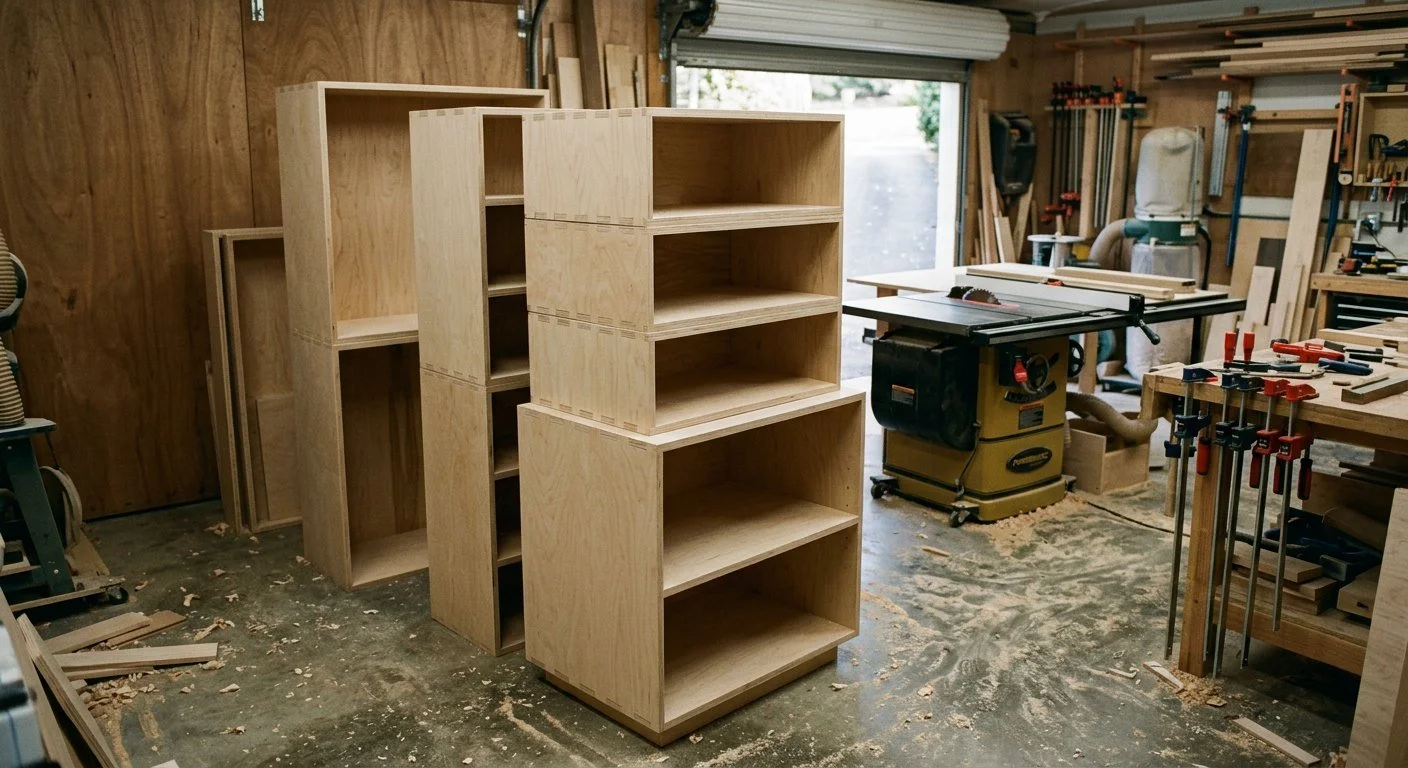
Ask about the process end to end: the walkthrough, the estimate, the timeline, and how they keep you updated while the work is happening.
The best craftsmen are almost always also organized. Clean job sites, clear communication, and showing up when they said they would are not extras on top of the carpentry. They are part of what you are buying, and their absence predicts problems in the work itself.
6. What does the estimate include?
A clear written estimate should spell out scope, materials, and finish.
Vague numbers lead to surprises, and surprises in this trade are rarely in your favor. A professional is happy to walk you through what is included and why, and to tell you what would change the number.
The takeaway
You are not just buying carpentry. You are trusting someone in your home to deliver work you will look at every day for the next decade.
The six questions above surface who takes that seriously in about fifteen minutes of conversation. If you want to know how we answer them, about J Fox LLC covers who does the work, and trim and finish carpentry covers what we take on.
Frequently asked questions
Do I need a licensed contractor for finish carpentry in Florida?
It depends on the scope. Smaller trim work often does not require a license, but larger projects and anything structural do. Hiring licensed is the safer default either way, because the license also tells you the contractor carries insurance and can be held accountable through the state.
How do I verify a Florida contractor's license?
Look the number up through the Florida Department of Business and Professional Regulation, and check the Pinellas County licensing board for local work. Both are free and take a couple of minutes.
What is the difference between a finish carpenter and a handyman?
Scope and standard. A handyman covers a wide range of small repairs. A finish carpenter specializes in the visible interior woodwork, trim, built-ins, cabinetry and stairs, where the tolerance is a fraction of an inch and matching existing work is part of the job.
Should I get more than one estimate?
Usually yes, but compare what is actually included rather than the bottom number. Two estimates that look far apart are often quoting different scopes, different materials, or different levels of matching.