How We Match New Trim to a Home’s Original Molding
The thing we are known for is also the hardest thing in finish carpentry: making new work look original. When a built-in, a repair, or a whole-room addition has to blend into a home's existing trim, the difference between seamless and obviously new is all in the matching. Here is how we do it.
The short answer: matching original molding means identifying the exact profile, sourcing or custom-milling it, matching the proportions and finish, then installing it so the transitions disappear. In older St. Petersburg and Tampa homes the original profile is usually discontinued, so J Fox LLC replicates it rather than substituting the closest stock option.
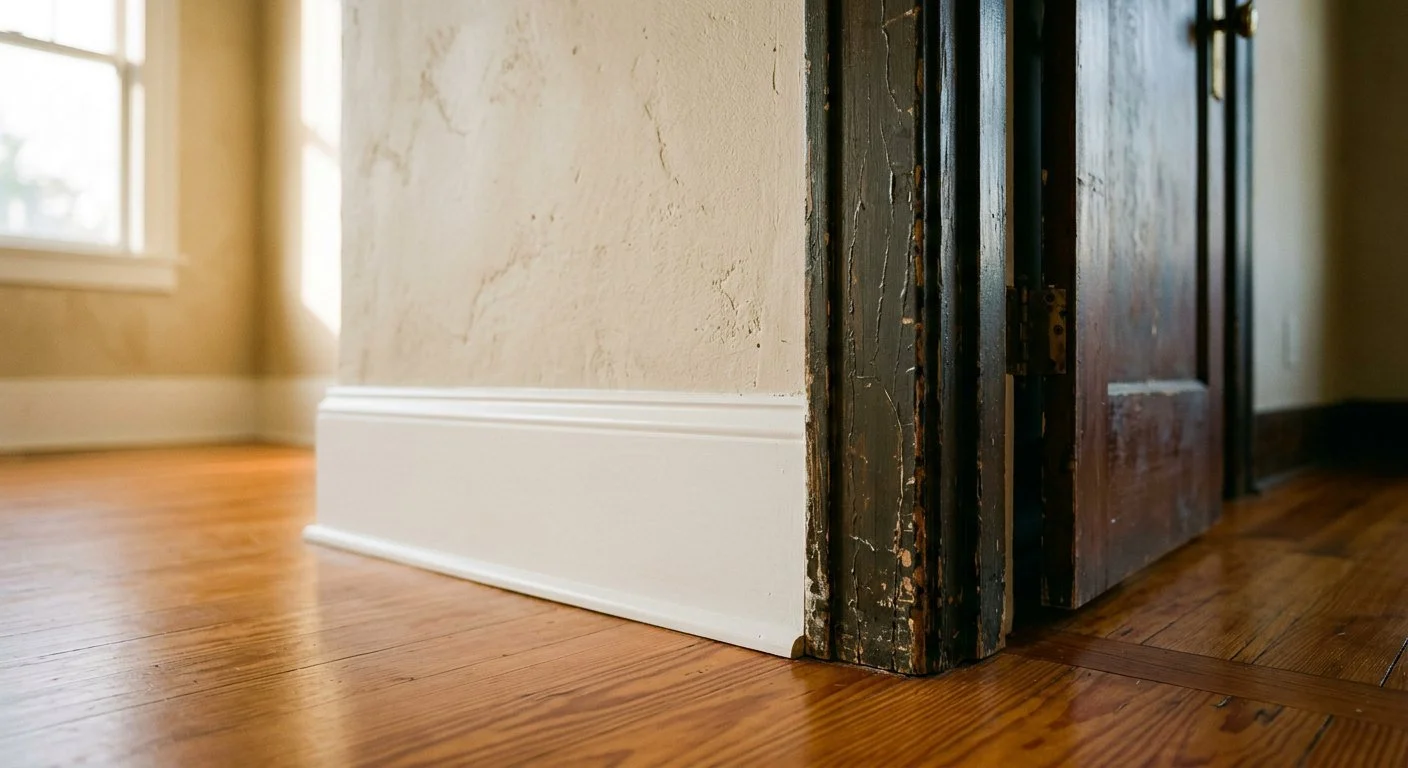
What is a moulding profile, and why does it matter?
A profile is the cross-section shape of a piece of moulding, the silhouette you would see if you cut through it. It is the single thing that decides whether new trim reads as original or as an addition.
The first step on any matching job is reading the existing trim: the crown, the casing, the baseboard, and the plinth blocks if the home has them. We take a clean cross-section, measure it, and compare it against standard profiles. Sometimes there is a stock match. In homes built in the 1920s, which is a large share of St. Petersburg's older neighborhoods, there usually is not.
What happens when the original profile is not sold anymore?
We replicate it. There are two ways, and the right one depends on the profile.
The first is building the profile up from multiple standard pieces, stacking stock components so the combined silhouette matches the original. The second is having a custom knife ground and milling the exact shape.
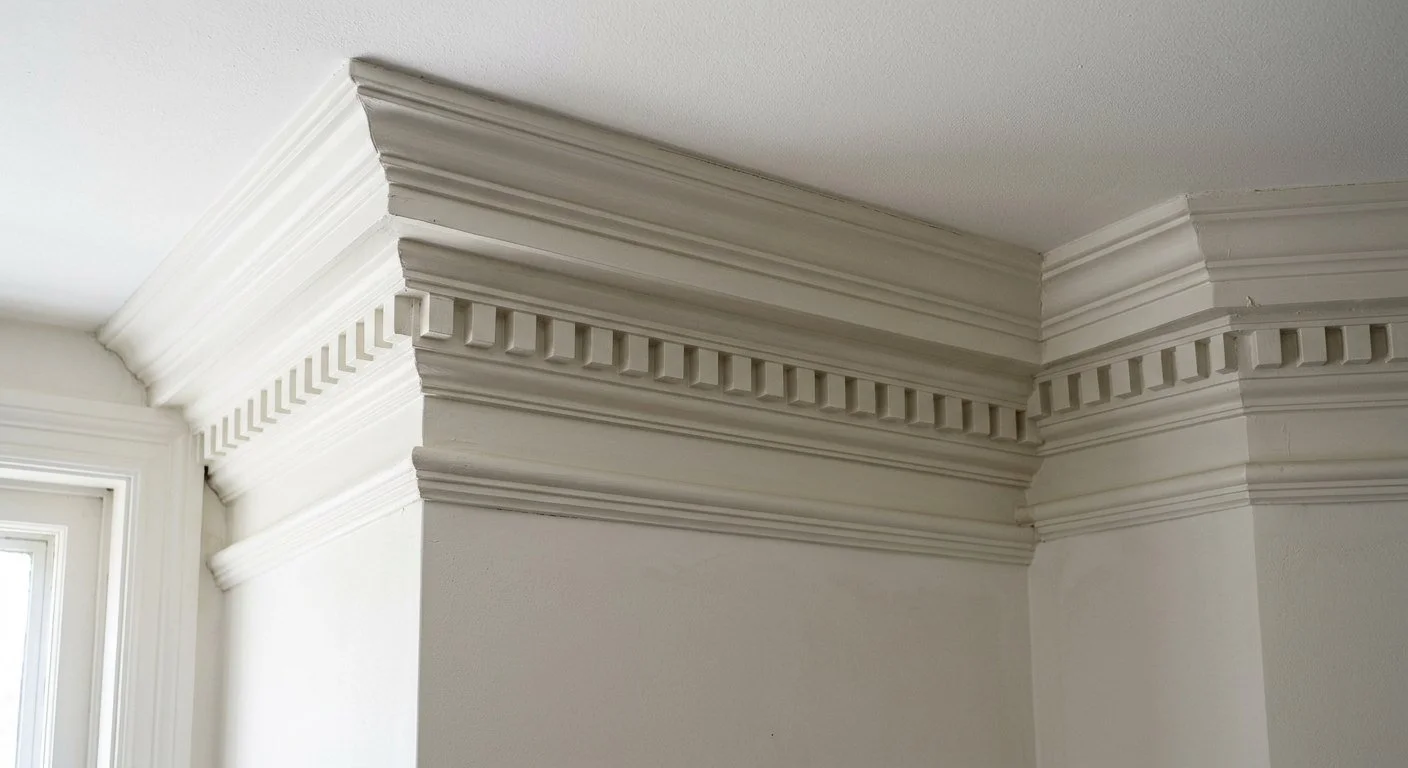
This is the step most installers skip. They grab the closest stock profile and hope nobody notices. People notice. The eye catches a baseboard that is a little too tall or a crown with slightly the wrong curve, even when it cannot name why. That vague sense that a room looks a bit off is almost always a proportion problem.
Why is matching the profile not enough?
Because proportion and finish carry as much of the effect as shape does.
A casing sized for an 8-foot ceiling looks wrong beside original trim on a 10-foot wall, even when the profile is identical. Scale has to follow the room. And the finish has to blend with woodwork that has been aging for decades, which usually means custom color matching rather than pulling a standard white off the shelf. Paint sheen matters as much as color. Original trim that has been painted repeatedly over eighty years has a depth that fresh semi-gloss does not.
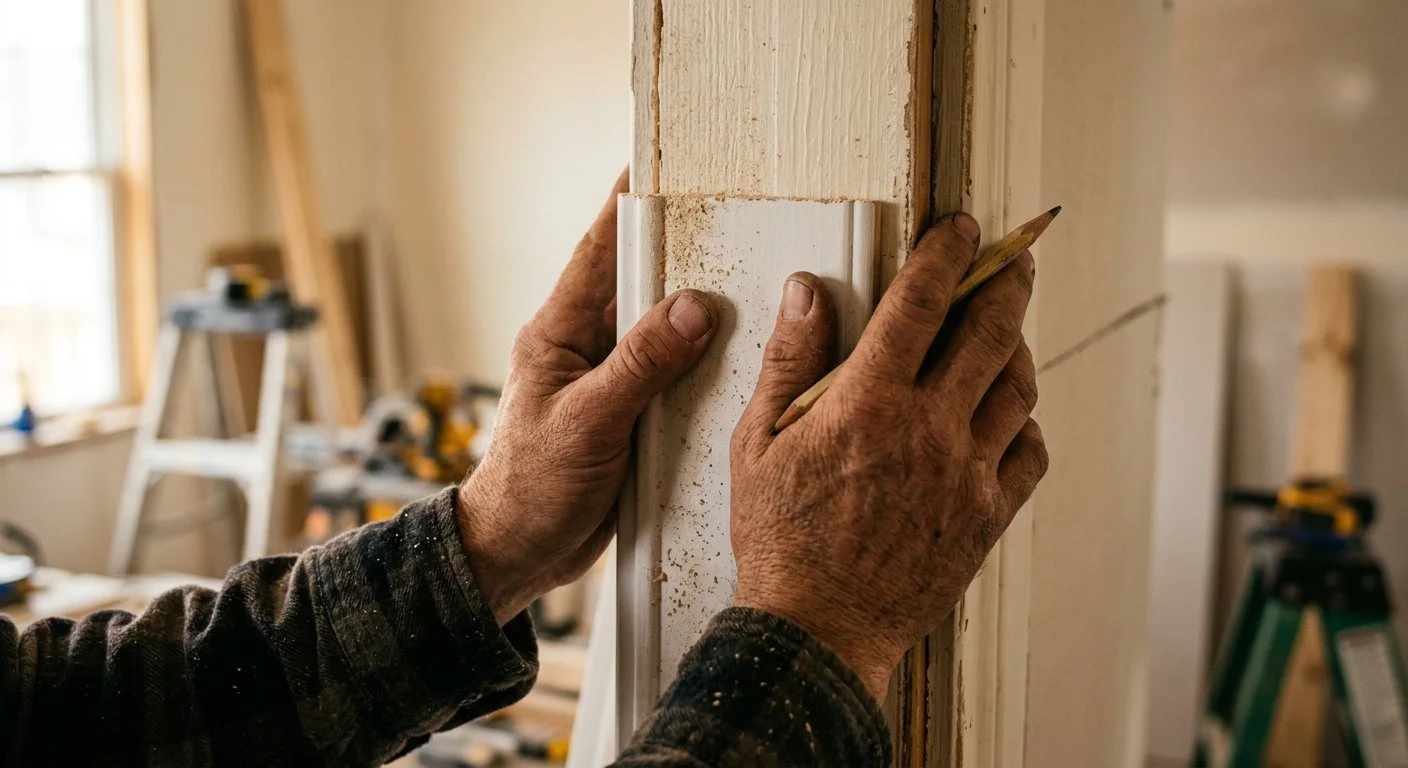
How do you make the transition between old and new invisible?
By putting the joints where the eye does not look and finishing them so they read as continuous.
That means scarf joints placed deliberately rather than wherever the board ended, careful coping on inside corners instead of mitering them, and filling and sanding the seam so the transition disappears under paint. Done properly, you cannot tell where the original stops and the new work starts.
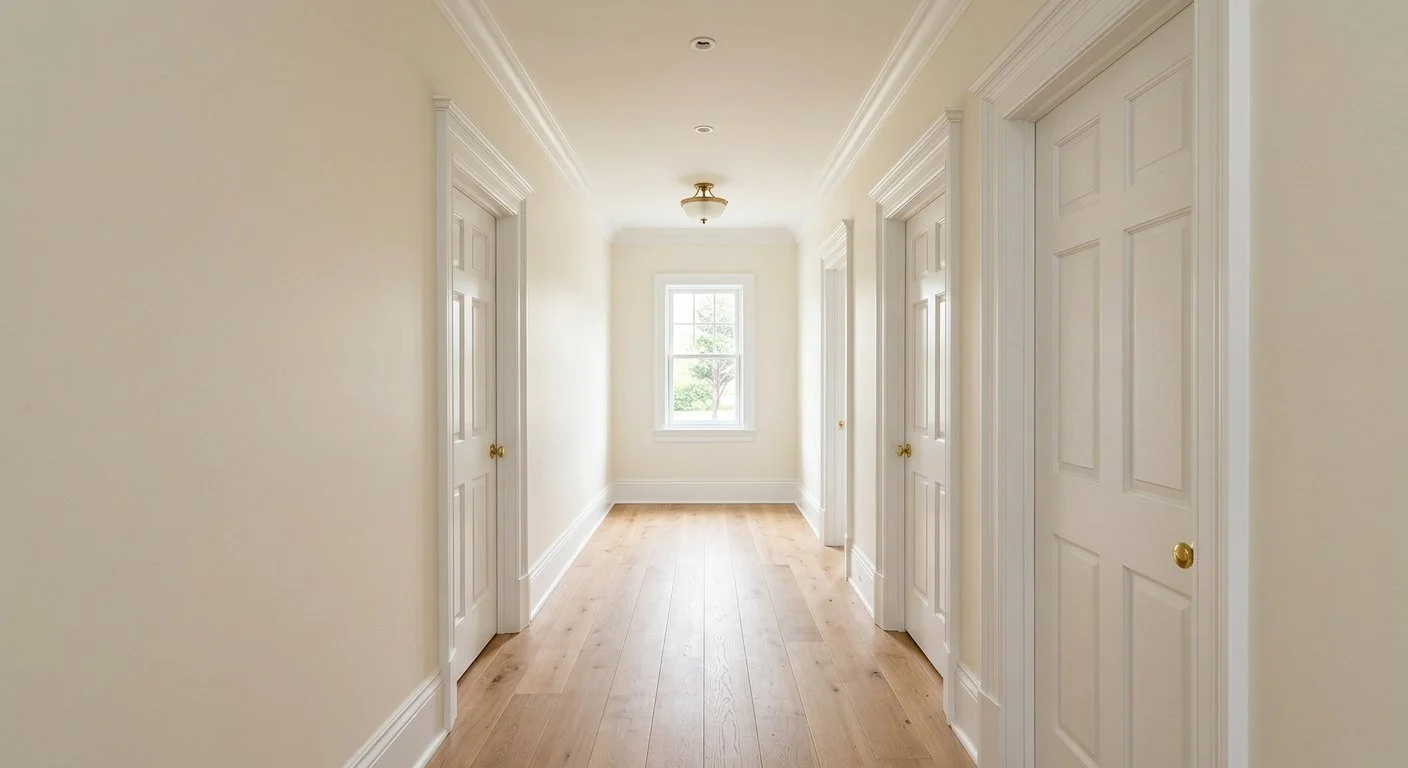
Why this is the whole game in an older home
This is the difference between carpentry that looks installed and carpentry that looks original, and it is the reason our work belongs in the houses it goes into. A built-in that matches your trim. A repair that vanishes into a wall of original moulding. An addition that reads as though it was always part of the house.
That seamlessness is not an accident. It is the craft, and it is most of what you are paying a finish carpenter for.
If you want the difference between trim carpentry and finish carpentry spelled out, we covered that in finish carpentry vs. trim carpentry. If you are weighing a specific project, our trim and finish carpentry page covers scope, and custom built-ins covers the pieces that most often need matching.
Frequently asked questions
Can you match trim in a home from the 1920s?
Yes. Homes from the 1920s are the most common matching work we do in St. Petersburg. The original profiles are almost never still sold, so we replicate them by building the profile up from stock components or by having a custom knife milled.
How long does trim matching add to a project?
Identifying and sourcing the profile usually adds a few days at the front of the job. Custom milling adds more, depending on the shop's schedule. We tell you which path a profile needs at the estimate, not partway through the work.
Can you match stained trim, or only painted?
Both. Stained work is harder because the color has to match across different wood species and decades of aging, so we do sample boards and get your sign-off before anything goes on the wall.
Do I have to replace all the trim in the room?
Usually not. The point of matching is that you keep the original and blend the new work into it. Full replacement is a choice, not a requirement, and it is normally the more expensive path.